
Clarity before code
Most software budgets are spent before the first sprint, in the gap between what you described and what your team understood. Our product discovery services close that gap with a scoped product, a ranked roadmap, and wireframes your engineers can estimate against.
The most expensive software is the software nobody needed
You describe what you want. A product owner writes it down. A designer interprets the write-up. A developer interprets the design. Somewhere along that chain, the product becomes a different product, and nobody notices until it is built, billed, and wrong.
The symptoms repeat. Estimates that double. Features nobody uses. A roadmap that is really a wish list, because nothing was ever ranked.
This is a definition problem. It costs weeks to solve now and quarters to solve later.
Four ways in. Start where you actually are
Most engagements combine two. If you already have a validated scope and designs, you need engineering.
Product Discovery
We work back from the business goal: who the user is, what problem is worth solving, what the first version has to contain, and whether it is feasible at the budget you have. You leave with an MVP scope and an initial roadmap.
Product Definition
We turn a contested backlog into ranked requirements with acceptance criteria, technical requirements, and a delivery plan. You leave with a scope two engineers would estimate the same way.
Product Design
User flows, information architecture, wireframes, prototypes and high-fidelity designs, built against the ranked scope. You leave with a design your team can build.
Product Review
We assess the product, the UX, the code, and the architecture, then tell you what to fix, what to rebuild, what to leave alone, and in what order.
Not sure where to start?
We’ll help you choose the right workshop for your product, team, and current challenges.
Book a discovery callFour workshops, an engineer in every one, and AI doing the operational work
Map
Every feature anyone expects goes on the table, without filtering, as a user story map. One working session, everything visible at once.
Rank
Must have, should have, could have, will not have. Everything cut is written down with the reason, so exclusions are decisions you made.
Specify
Requirements and wireframes for the first release, precise enough to estimate. Architecture, recommended stack, and a review of your existing codebase where there is one.
Plan
We estimate the scope and propose the team: roles, seniority and weekly hours, then the delivery sequence.
AI does the mechanical work. People make the decisions.
Synthesis, drafting, prototyping and analysis run through AI workflows. Every artifact is reviewed and owned by the person accountable for it, and no scope decision is made by a model.
What you end up holding
All of it is written for your team to use, whoever ends up building it. Some clients use it to run a competitive process. We would rather win the build on the plan.
A scope
Ranked requirements with acceptance criteria and technical requirements, written so any engineer can estimate them.
A design
User flows, information architecture and wireframes for the first release.
A plan
A proposed team with roles and seniority, a delivery sequence, and the architecture and stack decisions behind it.
Definition with engineering in the room
Most discovery engagements are run by a designer and an analyst. The output looks complete and then engineering finds out later what it actually costs. Our sessions include a Technical Lead from the first workshop, which is why the plan you leave with survives contact with a codebase.
Project Manager
Communication, sequencing and risk.
Technical Lead
Feasibility, technical approach, architecture and the estimate.
UX/UI Designer
User needs, flows and the wireframes the requirements are written against.
Context matters more here than anywhere else
Scoping a payments product, a patient-facing app, and an internal enterprise platform are three different conversations, with different regulations, different users, and different definitions of done.
Success cases
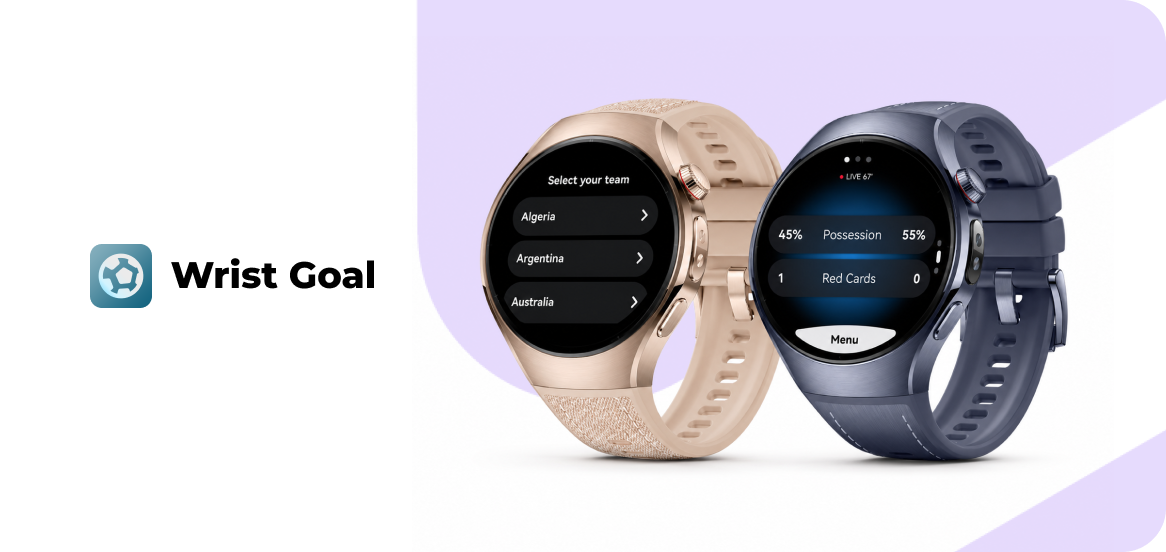
Wrist Goal is a smartwatch app delivering live football scores and match events to Huawei wearables, built by Somnio and launched natively on HarmonyOS NEXT with a template-based architecture ready to scale to future tournaments.
.png)
We partnered with the Canadian Automobile Association (CAA) to elevate member services through technology, delivering a seamless experience across Ontario.
What our clients say
“Their approach started with a Product Discovery phase, including user research, UI/UX design improvements, and technical assessments to ensure scalability. Their proactive work made a real difference in the project's success”

“Somnio Software has delivered an MVP that meets the changing needs of AI users. They've communicated effectively, have been highly responsive, and their project management is excellent. Their developers have become thought partners.”

Capabilities behind it
Start with one conversation
Tell us what you are building and what is already decided. We will tell you which of the four starting points you are at, and which parts you can skip.



Ready to Start Your Journey?

I would love to talk to you about your project or needs.
Fill in the form or send us an email to hello@somniosoftware.com
Got an idea? We’ve got the skills.
Fill out our contact form and we’ll get in touch!
Schedule a call
Feel free to select a time at your convenience!
Questions worth asking
Still have some doubts?
No worries, here are some frequently asked questions that may help you.
A structured process for deciding what to build before building it. It covers the problem, the users, and the business goal, then converts them into a ranked scope, a roadmap, and specifications a team can estimate against.
Discovery is for a product with no scope yet. Definition takes something already decided and makes it precise, ranked, and estimable. Discovery reduces uncertainty about the idea. Definition reduces uncertainty about the plan.
Usually a few weeks.
You can, and the cost shows up later as rework. If the deadline is real, the useful version is short: rank the scope, specify the first release only, and start engineering while definition continues on the next one.
Because it changes what development costs. An unranked backlog produces estimates that move, features nobody uses, and rework nobody planned for. If you already have a validated scope and designs, skip this and go straight to engineering.
No. Everything is written so any development team can estimate and build from it.
Possibly not all of it. Designs without a ranked scope and written requirements still leave the estimation gap open, so a shorter definition engagement often makes sense.
Every exclusion is documented along with its specific reasoning. Naming what we leave out is exactly what keeps a roadmap reliable when deadlines get tight.
Yes, in research, requirements drafting, prototyping and planning, with every output reviewed by the person accountable for it. Learn about AI Enablement.