
Stop maintaining three codebases. Start shipping one
Separate teams for iOS, Android, and Web slow you down and cost more than they should. We consolidate your stack into one Flutter codebase, on the timeline that fits your business.

What a split stack actually costs you
Three codebases don't just mean three repos. They mean three release cycles, three budgets and three versions of the same product.
Slower delivery
Parallel teams duplicating effort across platforms drag out every release.
Higher cost
Separate codebases, separate toolchains, separate people to maintain each one.
Disjointed experience
Features ship on one platform months before the other, and it shows.
Two ways in
Not every team needs to retire their native apps. Pick the path that matches where your product is today.
Full Migration
Teams ready to retire native codebases entirely.
Staged by module, not a single big bang.
Add-to-App
Teams with a working native app who want Flutter's speed without a rewrite.
Ships new features in Flutter while the native shell stays live.
The Flutter Convergence Path
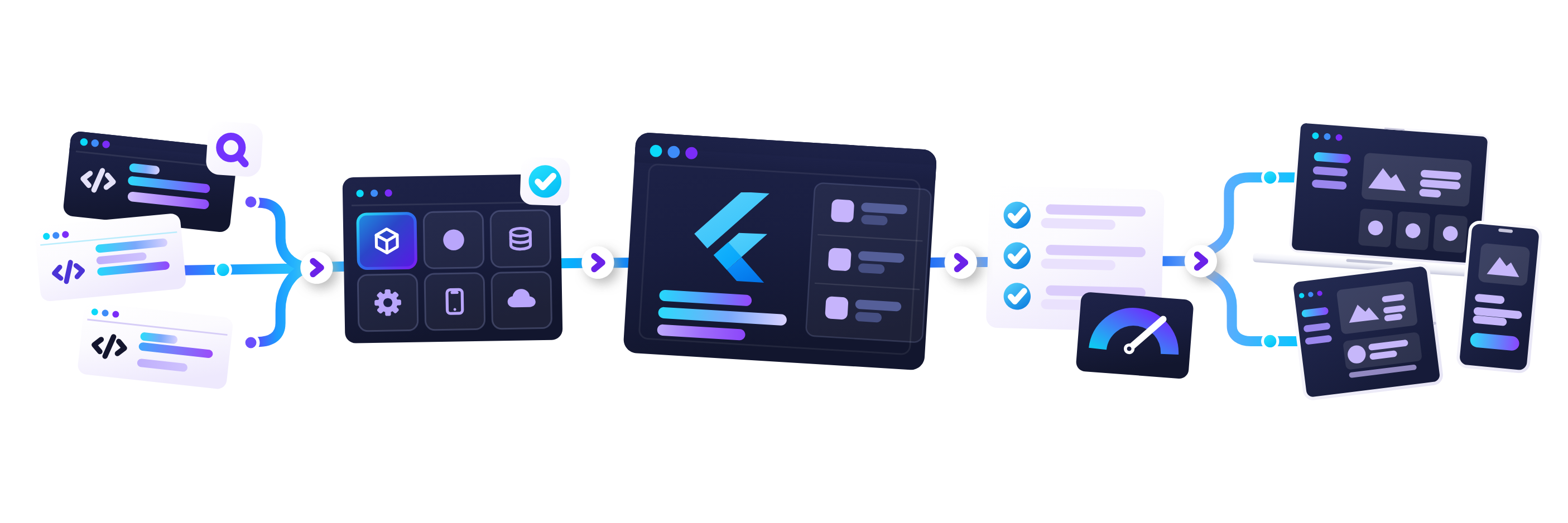
Every engagement starts fragmented across platforms and teams. This is how it converges into one Flutter codebase.
Assess
Audit current codebases and technical debt. Full migration or add-to-app.
Pilot
One real module migrated first, live in production.
Converge
Full migration or add-to-app, module by module, into one codebase.
Optimize
Performance, testing coverage and architecture hardening.
Scale
Team enablement, plus a path to add more platforms later.
Already on Flutter, but something's off?
A Flutter codebase built without the right architecture creates the same problems Flutter is supposed to solve. We audit the codebase, fix the architecture and performance issues, and hand back a Flutter app your team can actually build on.

Success cases
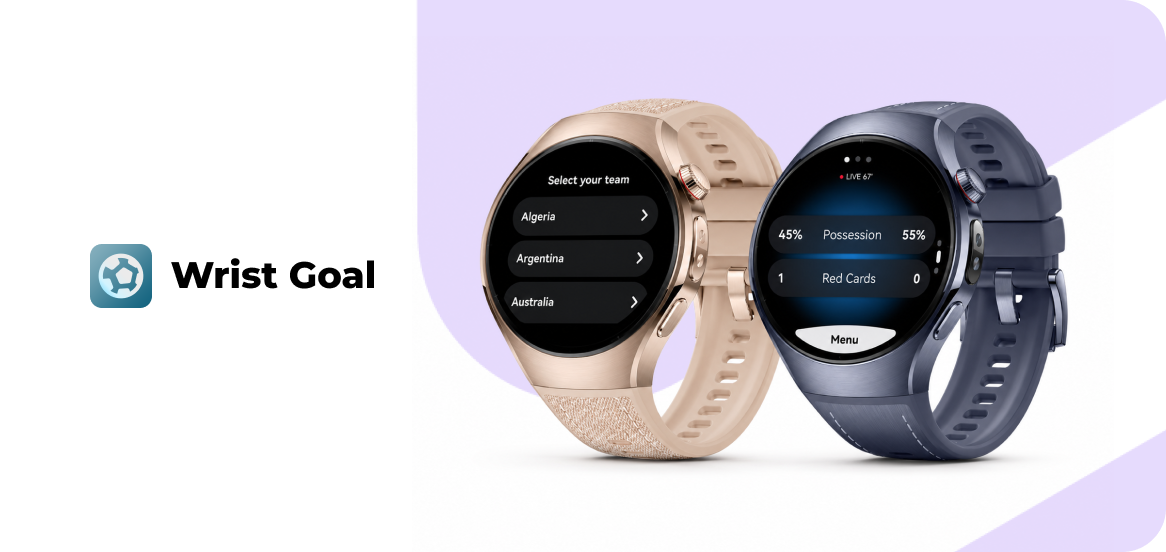
Wrist Goal is a smartwatch app delivering live football scores and match events to Huawei wearables, built by Somnio and launched natively on HarmonyOS NEXT with a template-based architecture ready to scale to future tournaments.
.png)
We partnered with the Canadian Automobile Association (CAA) to elevate member services through technology, delivering a seamless experience across Ontario.
What our clients say
“Their approach started with a Product Discovery phase, including user research, UI/UX design improvements, and technical assessments to ensure scalability. Their proactive work made a real difference in the project's success”

“Somnio Software has delivered an MVP that meets the changing needs of AI users. They've communicated effectively, have been highly responsive, and their project management is excellent. Their developers have become thought partners.”

One codebase is closer than you think


Ready to Start Your Journey?

I would love to talk to you about your project or needs.
Fill in the form or send us an email to hello@somniosoftware.com
Got an idea? We’ve got the skills.
Fill out our contact form and we’ll get in touch!
Schedule a call
Feel free to select a time at your convenience!
Questions worth asking
Still have some doubts?
No worries, here are some frequently asked questions that may help you.
No. Add-to-app lets you keep your existing native app running while we build new features in Flutter inside it, screen by screen. You decide how far the migration goes and when, and every step ships to production on its own.
They stay. Native engineers know your product's logic and edge cases better than anyone, and that knowledge carries directly into Flutter. Our engineers pair with your team through the migration, so by the time the old codebases retire, your developers are already building in Flutter themselves.
It depends on scope, not on Flutter. The variables that matter are how many screens you have, how much business logic is tangled into the UI layer, and whether you go full migration or add-to-app. We answer this precisely after the assessment phase rather than quoting a number before seeing the codebase.
Only in the ways you want them to. Flutter renders its own interface, so we match your existing design exactly, or improve it if that's part of the scope. Users keep their accounts, their data and their app icon, and the app store listing stays the same.
Yes. Migrations from React Native, Xamarin and MAUI are common, and in many ways more straightforward than native migrations, because those codebases already separate business logic from platform code.
Nothing. A Flutter migration touches the client side of your product. Your backend, your APIs, your database and your infrastructure stay exactly as they are, which is what keeps the scope of a migration contained.
Through platform channels and a mature package ecosystem, Flutter reaches everything the underlying OS exposes. Camera, biometrics, push, Bluetooth, background location and in-app purchases all run in production Flutter apps today, ours included.
Yes, and it's a large part of what we do. A Flutter codebase built without the right architecture creates the same problems Flutter is meant to solve. We audit it, fix the architecture and performance issues, and hand back an app your team can build on.