
Decide what is worth building
Product strategy work that answers whether an idea holds up: the problem, the users, the business case, the technical feasibility and the sequence.

What product strategy covers
The work before scope. Whether the problem is worth solving, whether you're the one to solve it, and whether it can be built at the budget and timeline available.
Product discovery
Problem definition, user needs and business goals.
MVP definition
What the first version has to contain to prove something.
Technical feasibility
Whether it can be built, with what, and at what cost.
Roadmapping
Sequencing across quarters, with dependencies named.
Product review
Assessment of an existing product before further investment.
Product consulting
Ongoing advisory for teams without a senior product voice.
Product Definition takes a decision and makes it precise. Product Design gives it an experience.
What we work with
Framing
Users
Business case
Feasibility
The feasibility group is what separates this from strategy consulting that stops at a recommendation. A technical lead is involved from the first session, so the answer accounts for what it costs to build.
Sequencing
Assessment
Facilitation
How we work it
Frame
We pin down the problem, the users, the business goal and the constraints, and get them agreed in writing before anything else.
Assess
We work through feasibility, effort and risk, with a technical lead in the room from the first session.
Sequence
We hand you a ranked roadmap, including what we'd recommend leaving out and why.
Who does this work
Product Manager
Framing, research, business case and prioritization.

Technical Lead
Feasibility, architecture options and effort ranges.
Your decision maker
Strategy work without someone who can decide produces a document.
Where this capability fits
Success cases
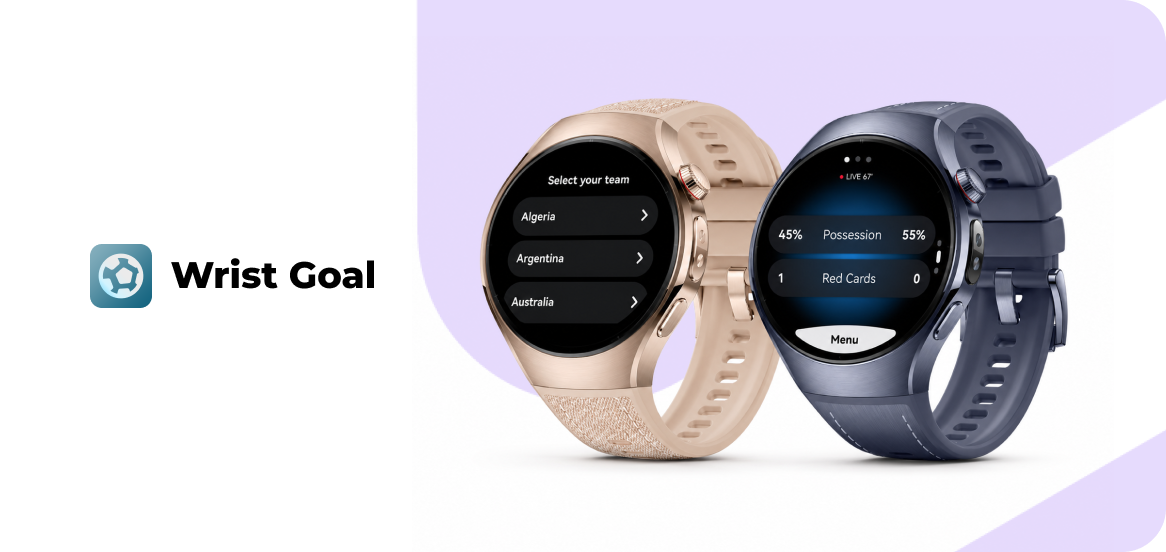
Wrist Goal is a smartwatch app delivering live football scores and match events to Huawei wearables, built by Somnio and launched natively on HarmonyOS NEXT with a template-based architecture ready to scale to future tournaments.
.png)
We partnered with the Canadian Automobile Association (CAA) to elevate member services through technology, delivering a seamless experience across Ontario.
What our clients say
“Their approach started with a Product Discovery phase, including user research, UI/UX design improvements, and technical assessments to ensure scalability. Their proactive work made a real difference in the project's success”

“Somnio Software has delivered an MVP that meets the changing needs of AI users. They've communicated effectively, have been highly responsive, and their project management is excellent. Their developers have become thought partners.”


Ready to Start Your Journey?

I would love to talk to you about your project or needs.
Fill in the form or send us an email to hello@somniosoftware.com
Got an idea? We’ve got the skills.
Fill out our contact form and we’ll get in touch!
Schedule a call
Feel free to select a time at your convenience!
FAQs
Still have some doubts?
No worries, here are some frequently asked questions that may help you.
A product strategy consultant works out whether a product idea is worth pursuing and in what order. We do it by defining the problem, understanding your users, sizing the business case and checking whether it can actually be built. What you get back is a decision and a sequence you can act on.
Product strategy decides whether to build and what to build. Definition then makes that decision precise enough for a team to estimate and start. Put simply, strategy takes the uncertainty out of the idea, and definition takes it out of the plan.
Probably not all of it. If the direction is decided and the real question is scope, you can start at definition and skip ahead. We'll tell you if that's the case. → Product Definition
Technical feasibility gets assessed by a technical lead, not a salesperson. They look at the architecture options, the integrations you'd need and the effort involved, and give you ranges with the assumptions behind them, so you can see how we got to the number.
Yes. We look at the product, the UX, the code and the architecture, then rank what's worth fixing, what's worth rebuilding and what's fine to leave alone.