
Design that survives engineering
Product design that goes past the mockup: flows, structure, interface and a design system your engineers can build from without asking what happens next.

What product design covers
The whole experience layer: how the product is structured, how someone moves through it, what each screen does, and how it stays coherent as the product grows.
UX Design
User flows, information architecture, task analysis and interaction design.
UI Design
Interface design, visual hierarchy, component design and states.
Wireframes and prototypes
Low fidelity for structure, interactive prototypes for testing before anything is built.
Design systems
Components, tokens, documentation and handoff, aligned with the front end implementation.
Usability review
Assessment of an existing product against how people actually use it.
Accessibility
WCAG conformance, contrast, focus order, screen reader behavior and keyboard navigation.
Product Definition produces the ranked scope design works against. Flutter Development and Web Development implement it.
What we work with
Research and definition
Structure
Artifacts
Design systems
Accessibility
Implementation alignment
The implementation alignment group is what separates design that ships from design that gets redrawn. Our designers work against the constraints of the framework the product is actually built in.
Tools
How we work it
Structure before surface
We settle the flows and information architecture first, with product and engineering in the room, and only then move to the interface.
Prototype and test
We prototype on real content and put it in front of real users when the decision is big enough to warrant it.
Build the system, then hand off
We build the components, tokens and documentation, and run design reviews inside the engineering sprints, so nothing gets lost in the handoff.
Who does this work
Product Designers
UX and UI in the same person, working across research, structure and interface.
Design Lead
System consistency, quality bar, and the calls where design and technical constraint disagree.
Front end engineers
Involved during design, so component decisions are made with implementation cost known.
Where this capability fits
Success cases
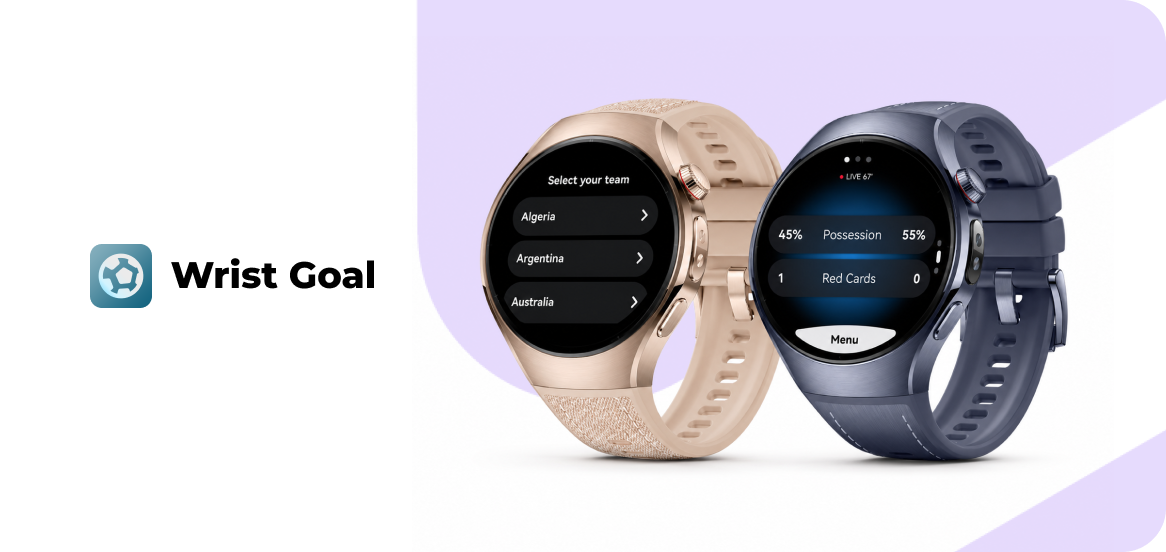
Wrist Goal is a smartwatch app delivering live football scores and match events to Huawei wearables, built by Somnio and launched natively on HarmonyOS NEXT with a template-based architecture ready to scale to future tournaments.
.png)
We partnered with the Canadian Automobile Association (CAA) to elevate member services through technology, delivering a seamless experience across Ontario.
What our clients say
“Their approach started with a Product Discovery phase, including user research, UI/UX design improvements, and technical assessments to ensure scalability. Their proactive work made a real difference in the project's success”

“Somnio Software has delivered an MVP that meets the changing needs of AI users. They've communicated effectively, have been highly responsive, and their project management is excellent. Their developers have become thought partners.”


Ready to Start Your Journey?

I would love to talk to you about your project or needs.
Fill in the form or send us an email to hello@somniosoftware.com
Got an idea? We’ve got the skills.
Fill out our contact form and we’ll get in touch!
Schedule a call
Feel free to select a time at your convenience!
FAQs
Still have some doubts?
No worries, here are some frequently asked questions that may help you.
UX is how the product is structured and how someone moves through it. UI is what they see and interact with on each screen. Two skills, one job, and separating them across two vendors is where inconsistency comes from.
A design system is a documented set of components, tokens and rules that keeps a product coherent as more people work on it. You need one once more than one designer or engineer is touching the interface, or the product lives on more than one platform.
We treat accessibility as a requirement from the first wireframe, not a fix at the end. WCAG 2.2 AA is our working standard, and we check contrast, focus order, semantic structure and screen reader behavior while we design.
That's what the implementation alignment work is for. Our designers work against the constraints of the framework the product is built in, and design reviews happen inside engineering sprints.
Yes, and it's the more common case. We work inside your system and tell you where it's missing something the product needs.
Yes. The output is built so any front end team can implement it.