
Apps that hold up on the devices people actually own
We build native iOS and Android products that go the distance, handling the parts that go wrong after launch: release processes, device fragmentation, offline behavior, and performance on hardware from four years ago. Because a great app isn't just the one you ship, it's the one that keeps working long after.

What mobile app development covers
Native iOS and Android craftsmanship, plus the platform-specific engineering every mobile product needs, no matter the framework.
Native iOS
Built beautifully with Swift, SwiftUI and UIKit.
Native Android
Kotlin, Jetpack Compose and the Android SDK.
Release engineering
App Store and Play Console submission, review handling, phased rollout, versioning.
Device and OS coverage
Fragmentation, screen sizes, OS version support and hardware differences.
Offline and sync
Local persistence, conflict resolution and background sync.
Hardware and platform APIs
Camera, Bluetooth and BLE, biometrics, location, push, widgets and wearables.
For cross platform work from a single codebase, that's Flutter. → Flutter Development
What we work with
iOS
Android
Cross-platform
Data and sync
Platform APIs
Release and distribution
Quality
Backend integration
How we work it
Platform decision, made with care
Native or cross-platform, chosen based on what your product truly needs and the team who'll maintain it.
Releasing from day one
A distributable build by week one, so we catch submission surprises early, not late.
Test on real devices
Emulators miss what matters most: performance on older hardware, camera behavior, connectivity, battery life.
Who does this work
Mobile Engineers
iOS, Android and Flutter, senior and mid level.
Tech Lead
Platform decisions, architecture and the calls that are expensive to reverse.
Where this capability fits
Success cases
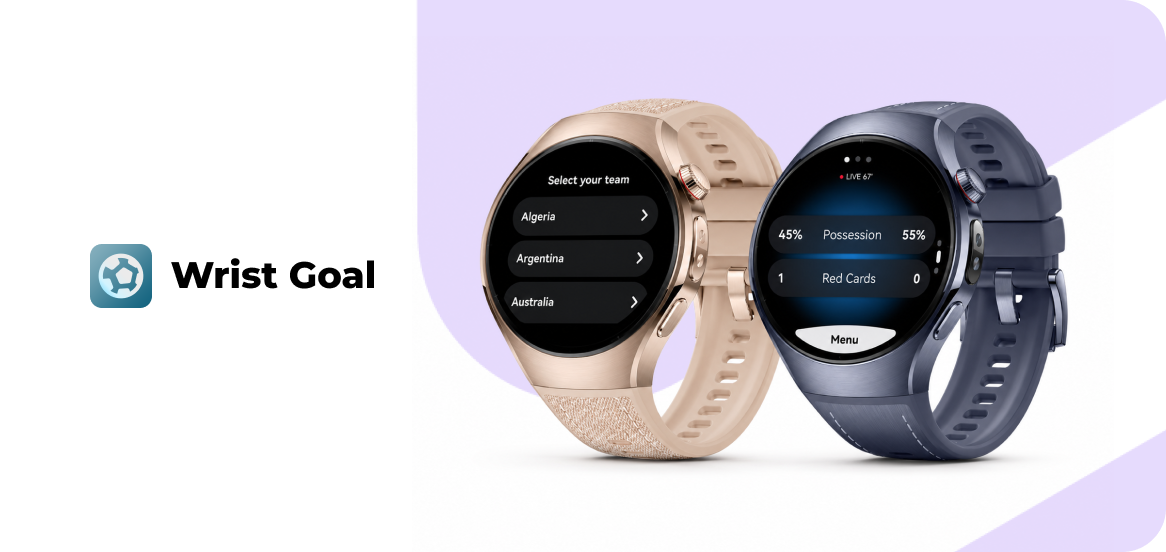
Wrist Goal is a smartwatch app delivering live football scores and match events to Huawei wearables, built by Somnio and launched natively on HarmonyOS NEXT with a template-based architecture ready to scale to future tournaments.
.png)
We partnered with the Canadian Automobile Association (CAA) to elevate member services through technology, delivering a seamless experience across Ontario.
What our clients say
“Their approach started with a Product Discovery phase, including user research, UI/UX design improvements, and technical assessments to ensure scalability. Their proactive work made a real difference in the project's success”

“Somnio Software has delivered an MVP that meets the changing needs of AI users. They've communicated effectively, have been highly responsive, and their project management is excellent. Their developers have become thought partners.”


Ready to Start Your Journey?

I would love to talk to you about your project or needs.
Fill in the form or send us an email to hello@somniosoftware.com
Got an idea? We’ve got the skills.
Fill out our contact form and we’ll get in touch!
Schedule a call
Feel free to select a time at your convenience!
FAQs
Still have some doubts?
No worries, here are some frequently asked questions that may help you.
It depends on what the product needs from the hardware and on who will maintain it. Cross-platform from one codebase covers most products and is where our depth is. Native is the right call when you depend heavily on platform specific APIs or on performance at the edge of what the hardware can do. We've recommended both.
It depends on scope, platforms and integrations, and we give you a number after a scoping conversation. Anyone quoting before that is guessing.
Yes, including review rejections, phased rollout, certificate and signing management, and the requirement changes both platforms introduce regularly.
Yes, starting with a review of the codebase, the dependencies and the release setup.
Yes. We've shipped for Wear OS and for Huawei smartwatches, and we work with Bluetooth and BLE for hardware connected products.
A device lab covering the OS versions and hardware your users actually have, because that's where performance and camera and connectivity problems appear.