
A scope precise enough that two engineers would build the same thing
We turn a contested backlog into ranked requirements, wireframes and a delivery plan, documented so any team can estimate against them.
What product definition covers
You know roughly what you want. A team needs more than that to start. Product definition is the work in between: it's for when the product lives in conversations but not on paper, or when it's on paper in six versions that don't agree with each other.
Scope definition
What's in the first release and what explicitly is not.
Feature prioritization
A ranking with a method behind it.
User stories and acceptance criteria
Written to be estimated against.
Technical requirements
Constraints, integrations and nonfunctionals.
Roadmap alignment
Sequencing that survives a deadline.
Delivery planning
Team composition, release windows and effort.
Product Strategy decides whether to build. Product Design designs the experience the requirements describe.
What we work with
Prioritization
Mapping
Specification
Design artifacts
Technical artifacts
Risk
Planning
Ways of working
How we work it
Map
We put every feature you're expecting on the table, without filtering, and lay them out as a user story map.
Rank
We rank them with MoSCoW and write down everything we cut, with the reason it got cut.
Specify
We turn that into requirements and wireframes precise enough to estimate against, then the release plan.

Who does this work

Project Manager
Communication, sequencing and risk, and making sure what you said ends up in the plan.

Technical Lead
Feasibility, the technical approach, and the architecture and estimate.

UX/UI Designer
User needs, flows and the wireframes the requirements are written against.

Your product owner
The process depends on someone with decision authority in the room.
Where this capability fits
Success cases
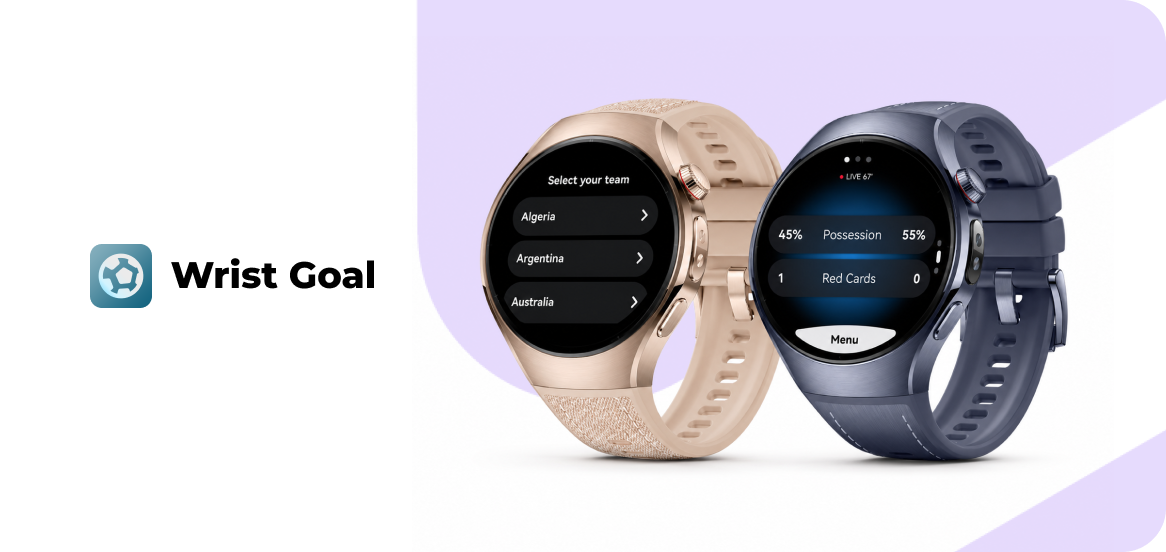
Wrist Goal is a smartwatch app delivering live football scores and match events to Huawei wearables, built by Somnio and launched natively on HarmonyOS NEXT with a template-based architecture ready to scale to future tournaments.
.png)
We partnered with the Canadian Automobile Association (CAA) to elevate member services through technology, delivering a seamless experience across Ontario.
What our clients say
“Their approach started with a Product Discovery phase, including user research, UI/UX design improvements, and technical assessments to ensure scalability. Their proactive work made a real difference in the project's success”

“Somnio Software has delivered an MVP that meets the changing needs of AI users. They've communicated effectively, have been highly responsive, and their project management is excellent. Their developers have become thought partners.”


Ready to Start Your Journey?

I would love to talk to you about your project or needs.
Fill in the form or send us an email to hello@somniosoftware.com
Got an idea? We’ve got the skills.
Fill out our contact form and we’ll get in touch!
Schedule a call
Feel free to select a time at your convenience!
FAQs
Still have some doubts?
No worries, here are some frequently asked questions that may help you.
A Software Requirements Specification is a document describing every feature of a release precisely enough that a team can estimate it and build it without guessing. It covers functional requirements, acceptance criteria, technical constraints and integrations. Paired with wireframes, it turns a product conversation into a plan.
A backlog is a list. Definition adds a ranking, acceptance criteria, technical requirements and a written record of exclusions. The test is simple: hand your backlog to two engineers and ask each for an estimate. If the numbers differ significantly, the definition isn't done.
MoSCoW prioritization classifies features as must have, should have, could have or will not have. The fourth category does the work, because a roadmap that names its exclusions is the only kind that holds when a date gets tight.
User story mapping organizes epics, features and user stories visually as a user journey, so a whole team can see the scope at once and spot what's missing.
You do. They're written so any development team can estimate against them, including one that isn't us.