
Care that doesn't stop at launch
We look after products already in production: dependency updates, monitoring, bug fixes and the small improvements that keep what you've worked hard on healthy for the long run.
What product maintenance covers
Keeping a live product current, spotting problems early, and fixing the small things before they become big ones. The unglamorous work that's easy to put off, right up until it isn't.
Dependency and platform updates
Keeping libraries, frameworks and OS targets current before they force your hand.
Monitoring and alerting
Hearing about a problem from us, not from an angry user.
Bug fixing
A clear, calm path for the issues that surface once real people are using it.
Performance upkeep
Catching the slow degradation that creeps in as data and usage grow.
Security patching
Applying the updates that close known vulnerabilities as they're found.
Small improvements
The steady stream of minor changes that keep a product feeling looked after.
Product Scaling & Evolution is for the bigger changes. This is for keeping a steady product steady.
What we work with
Monitoring
Dependency management
Mobile upkeep
Release
Support process
Documentation
How we work it
Take stock first
We start with a clear look at the state of the product: what's out of date, what's unmonitored, and what's most likely to break next.
Set the response
We agree severity levels and response targets together, so an issue in production follows a known path instead of a scramble.
Keep it current
We run update cycles on a schedule, so dependencies and platform targets stay current instead of piling up into one painful upgrade later.
Who does this work
Engineers
The developers who know your codebase, handling fixes, updates and small changes.
Tech Lead
Priorities, the harder calls, and knowing when something has grown past maintenance.
Where this capability fits
Success cases
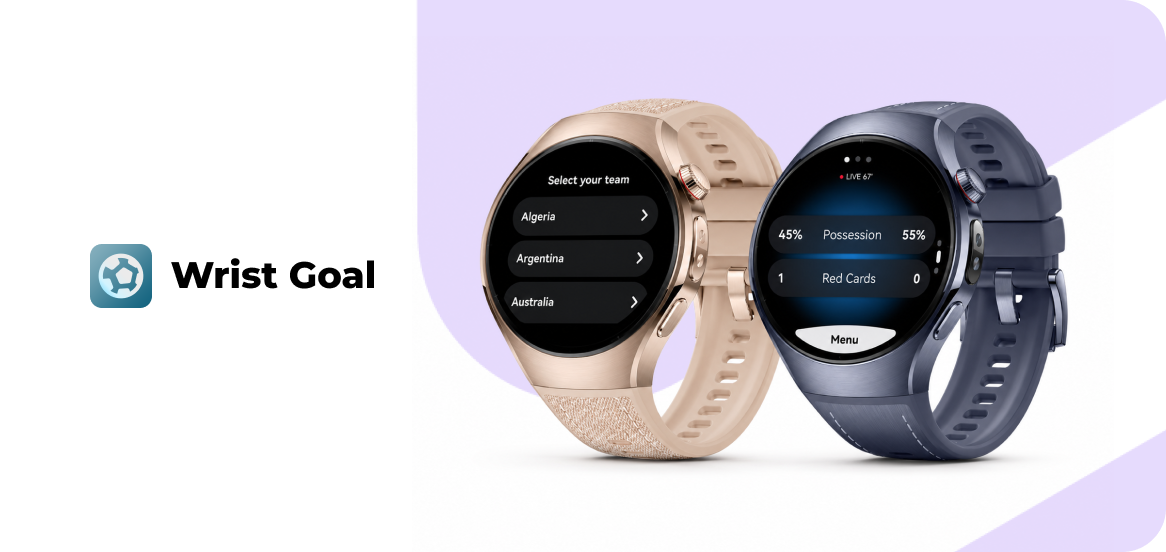
Wrist Goal is a smartwatch app delivering live football scores and match events to Huawei wearables, built by Somnio and launched natively on HarmonyOS NEXT with a template-based architecture ready to scale to future tournaments.
.png)
We partnered with the Canadian Automobile Association (CAA) to elevate member services through technology, delivering a seamless experience across Ontario.
What our clients say
“Their approach started with a Product Discovery phase, including user research, UI/UX design improvements, and technical assessments to ensure scalability. Their proactive work made a real difference in the project's success”

“Somnio Software has delivered an MVP that meets the changing needs of AI users. They've communicated effectively, have been highly responsive, and their project management is excellent. Their developers have become thought partners.”


Ready to Start Your Journey?

I would love to talk to you about your project or needs.
Fill in the form or send us an email to hello@somniosoftware.com
Got an idea? We’ve got the skills.
Fill out our contact form and we’ll get in touch!
Schedule a call
Feel free to select a time at your convenience!
FAQs
Still have some doubts?
No worries, here are some frequently asked questions that may help you.
Product maintenance is the ongoing work of keeping a live software product healthy: updating dependencies, patching security issues, fixing bugs, monitoring for problems and making small improvements. It's what keeps a product from decaying quietly in the months and years after launch.
Maintenance is the engineering that keeps a product current and healthy: updates, patches, fixes and monitoring. Support is responding to users and issues as they come up. They overlap, and we cover both, but they're different jobs and worth naming separately so nothing gets assumed.
Yes, and it's common, so there's no need to feel awkward about the state it's in. We start with a review of the codebase, the dependencies and the monitoring, so we understand what we're taking on before we take it on.
There's an agreed path: severity levels, response targets and a single place to report it, so an incident follows a plan instead of a panicked group chat. For anything urgent, a rollback plan is already part of how we release.
It rarely works out that way, sadly. Deferred updates pile into painful upgrades, and an unmonitored problem is usually found by a user at the worst possible time. Steady maintenance is the calmer, more predictable path, in effort and in cost.